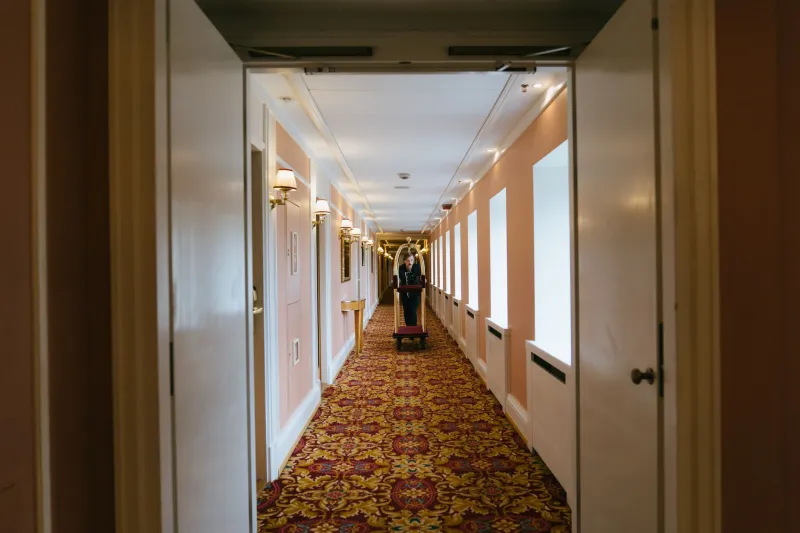
Parking First, Sea View Second: A Driver’s Guide to Bournemouth Hotel Stays
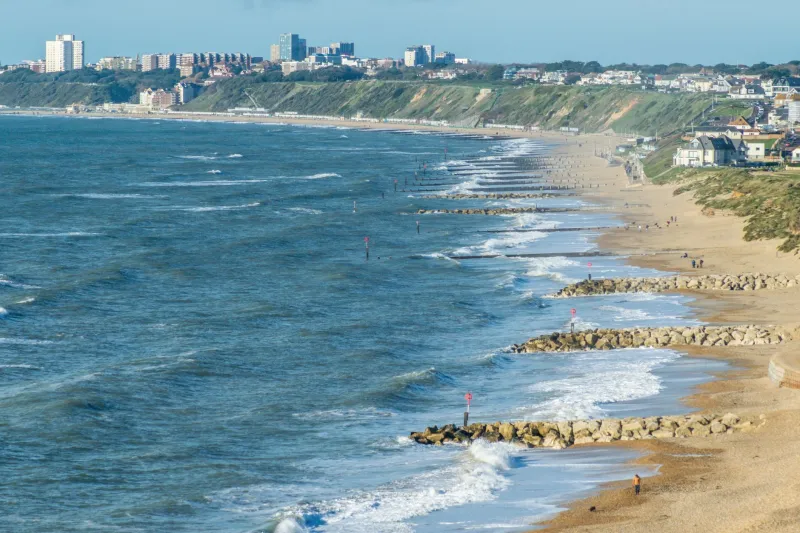
Driving down to Bournemouth is the easy part. The A31 behaves, the approach through the outskirts is familiar, and the first glimpse of sea air usually arrives before the sat-nav has finished its sentence. Then comes the question that separates a relaxed weekend from a low-level administrative crisis: where, exactly, does the car go?
Parking is not the glamorous side of a seaside break. It is, however, one of the most reliable indicators of the kind of stay you are about to have. A guaranteed space behind the hotel buys you unhurried arrivals, spontaneous trips out and the luxury of leaving the luggage in the boot for ten minutes. A speculative lap of the East Cliff at 4pm on a Friday buys you something else entirely.
Begin with the car park, not the view
Hotel listings tend to lead with sea views, linen counts and the distance to the promenade. All worthwhile. But if you are driving, the first question should be about parking. Not simply whether parking exists — many hotels will say yes — but what kind of parking it is.
A dozen spaces behind a Victorian townhouse is not the same as a large, barrier-controlled car park. First-come-first-served is not the same as a reserved space. Free overnight parking is not the same as a charge added to the bill. Ask directly: is the space guaranteed for the whole stay, is there a height or length restriction, and what happens if the car park is full when I arrive?
For a November 2026 break, when the town is shifting into its quieter winter rhythm, these details are worth settling at the booking stage rather than in the drizzle outside reception. A hotel that answers clearly is usually a hotel that has thought about the guest experience beyond the brochure photograph.
The three parking species
Broadly speaking, a Bournemouth hotel stay involves one of three parking arrangements.
The first is the hotel car park. It is the most convenient option and often the most misunderstood. Some spaces are reserved; many are not. Some are included; others carry a nightly fee. Some car parks are tight enough that a large estate car will require a careful approach and a calm passenger. If the hotel cannot guarantee a space, treat arrival time as part of the booking.
The second is on-street parking in controlled zones. Parts of the East Cliff, West Cliff and Westbourne have resident permits, pay-by-app bays, maximum stays and no-return rules. Winter can make these zones more forgiving, but it does not make them predictable. Read the signs properly, including the small print about overnight restrictions. A street that looks empty at 6pm may be a different proposition by 8am.
The third is the public car park, whether seafront, town centre or multi-storey. These are useful fallbacks and sometimes the main event. Seafront car parks put you close to the promenade but may have overnight rules or seasonal charges. Town-centre multi-storeys can be handy for the BIC and the Pavilion, though you need to check closing times and whether an overnight ticket is actually available. Do not assume that a barrier and a ticket machine add up to a simple overnight stay.
Arrival time is a tactic
If the hotel car park is not guaranteed, arrive earlier than you think you need to. A mid-afternoon arrival gives you options; a post-dinner arrival gives you whatever is left. Many hotels will let you drop luggage before check-in, which is useful, but ask first. Do not simply abandon the car in a bay marked for deliveries and hope for the best.
Have a second-choice car park noted before you set off. It is a small piece of preparation that prevents a grim circuit of the one-way system. If you are checking in late, tell the hotel. If you are arriving for a show at the BIC or a busy weekend event, book parking in advance where possible. In winter, darkness arrives early, and a parking space is easier to find and much easier to judge in daylight.
What the car does to your break
Parking shapes the holiday more than most people admit. If the car is securely parked and easy to retrieve, you may use it for a trip to Hengistbury Head, a wander around Christchurch or a drive into the Purbeck countryside. If parking is tight and the car is boxed in, it becomes an anchor. You walk everywhere, which can be lovely, or you cancel plans, which can be irritating.
A seafront hotel with a reserved space suits the kind of break where the promenade is the main event. An edge-of-town hotel with generous parking may suit day-trippers who want to explore, provided they are happy to take a taxi or bus into town for dinner. Neither is wrong. The mistake is booking one kind of hotel while planning the other kind of break.
A guaranteed parking space is a form of holiday insurance. It will not make the breakfast better or the sea view wider, but it removes a low hum of anxiety that can otherwise follow you around all weekend.
A driver’s checklist for 2026
Before confirming a Bournemouth hotel, ask five questions. Is the space guaranteed for every night? What does it cost? Are there height, length or access restrictions? Can I arrive before check-in? And what is the recommended fallback if the car park is full?
Then check the practical details: controlled parking zone times, overnight rules at public car parks, whether the hotel has an EV charger and whether you need to book it. Pack a phone charging cable for parking apps, but do not rely entirely on signal or battery. A little cash in the glovebox is old-fashioned but occasionally heroic.
Above all, match the parking to the trip. If you want a car-free weekend of promenade walks and hotel lounges, pay for certainty. If you plan to roam, choose a hotel that makes coming and going easy. The sea view still matters, of course. But in a town where the parking can quietly dictate the pace of the weekend, it is worth settling the car’s overnight arrangements before you fall for the photograph of the bay.