The Kettle With Two Mugs: In Defence of Bournemouth's Unfashionable Hotel Rooms
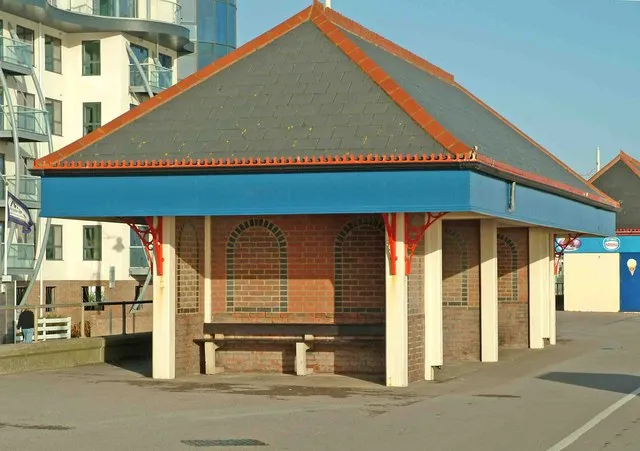
Photo: P L Chadwick, CC BY-SA 2.0, via Wikimedia Commons
There is a moment, on the first evening of a seaside break, when you notice what a hotel room has decided to keep. In a certain kind of Bournemouth hotel — the sort with creaking corridors and a lounge that smells faintly of polish — you will find a luggage rack folded against the wall, a kettle with two mugs, and a spare blanket on the top shelf of the wardrobe. In a boutique refurbishment, you may find none of these things. You may find a capsule coffee machine, a rainfall shower, and a note about the artisan bakery down the road. What you will not find is anywhere to put your suitcase.
The Small Things That Say You're Expected
The luggage rack is not glamorous. It is usually wooden, sometimes slightly wobbly, and it exists so that you do not have to live out of a bag on the floor. That is the whole point. It says: we assumed you would arrive with a suitcase and stay for more than one night. The kettle with two mugs says something similar. Not one mug, not a single pod, but two cups — because you might be travelling with someone, and because a cup of tea at 10pm is not a lifestyle statement. It is a small mercy.
The spare blanket is the quietest promise of all. It sits in the wardrobe, often in a plastic cover, and it means you will not have to ring reception at midnight because the duvet is thinner than you remembered. And the fixed shower head? It is deeply unfashionable. It does not pulse or rain or have a settings dial. But it works, and it does not require a diagram. For a certain kind of guest — the one who has been coming to the south coast since childhood, or the one who simply wants a bath without a performance — these details are not shortcomings. They are the room doing its job.
What the Refurbishment Removes
Boutique hotels are not the enemy. Some of them are lovely. But there is a pattern in the way older seaside hotels are 'modernised': the luggage rack goes first, because it spoils the line of the wall. Then the blanket, because it looks institutional. Then the second mug, because the capsule machine has its own cups. What remains is a room that photographs beautifully and asks you to live slightly differently from how you actually live. You put your suitcase on the floor. You drink one coffee. You get cold. You do not complain, because the room is stylish and the lighting is flattering.
Traditional Bournemouth hotels are not stylish in that way. They are hospitable in a way that has fallen out of fashion. The luggage rack is a bit ugly. The kettle is a bit loud. The blanket is a bit scratchy. But together they form a kind of contract: we have thought about what you might need, and we have left it here for you. That is not nostalgia. It is service.
A Promise to a Certain Kind of British Guest
The British seaside break has always been a practical affair. You bring too much, you walk too far, you get rained on, you come back and want tea. A hotel that understands this does not need a design manifesto. It needs a rack for the suitcase, a mug for the person you came with, and a blanket for the evening the heating clicks off. These are not luxuries. They are the quiet grammar of a traditional stay.
So when you next check into an older Bournemouth hotel and see the luggage rack folded against the wall, do not think of it as something that has survived despite the refurbishment. Think of it as something that has been left there deliberately. It is a small, unfashionable promise. And on a wet November weekend, it is worth more than a rainfall shower.