Chintz Is Not the Enemy: In Defence of Bournemouth's Traditional Seaside Hotels

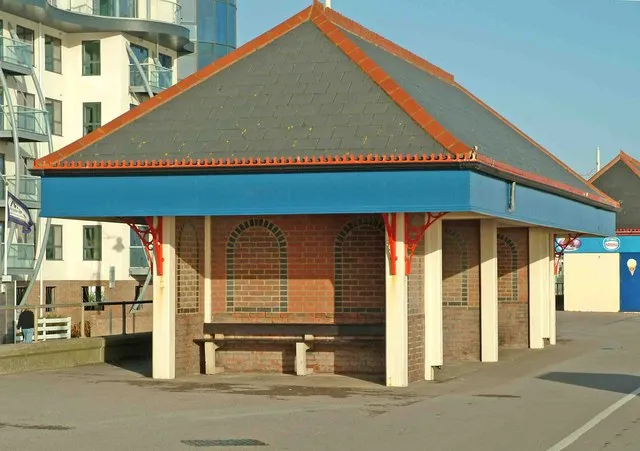
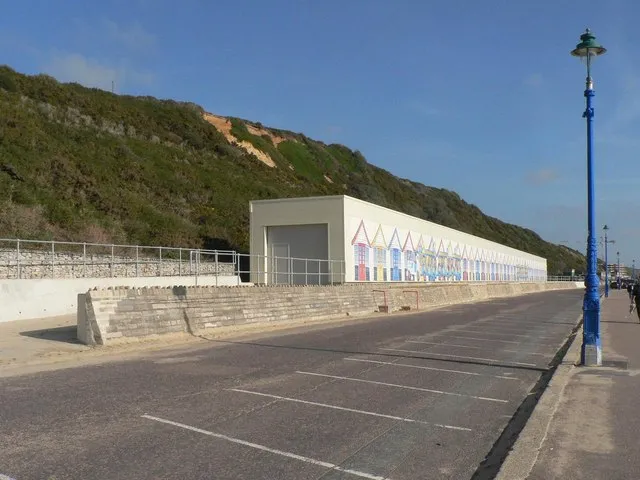
Photo: Chris Downer , CC BY-SA 2.0, via Wikimedia Commons
There is a certain kind of hotel review that begins with the word 'tired' and ends with a recommendation to stay somewhere with a barista and a statement lighting fixture. I understand the appeal. I have enjoyed a great many identikit boutique rooms with a rain shower and a card that only works if you wave it at the door in a particular rhythm.
But after enough of them, they blur. Remove the signage and you could be in Manchester, Reading or Rotterdam. The thing you cannot replicate by knocking through a few walls and buying industrial shelving is the reason people still book a traditional hotel on the South Coast: the sense that a place has been doing this for a long time, for the same sort of people, and has got quietly good at it.
The Rituals Are the Product
Consider what you actually remember from a seaside stay. Rarely the wallpaper. Almost always the breakfast, brought to a table rather than scraped from a hotplate under a lamp. The kipper, the haddock, the eggs cooked to order by someone who has cooked several thousand of them. Toast that arrives in a rack instead of a basket that has been sitting out since seven.
Then the lounge. Not a lobby, which is a corridor with ambitions, but an actual room with windows facing the sea, chairs deep enough to sit in for an hour, and no expectation that you will vacate it. In December that room is worth more than any amount of curated concrete. It is where a rainy afternoon goes to die quietly.
And then the smaller thing, the one that is hardest to fake: someone at the desk who says good morning and means it, who remembers you asked about the pier, who tells you the tide times without being asked twice. Staff retention is not glamorous. It is, however, the whole game.
What a Key Card Never Will
I am not nostalgic for inconvenience. I do not miss a single wardrobe-sized television or a bathroom where the shower arrives as a rumour. But there is a difference between a hotel that is old-fashioned in its service and one that is old-fashioned in its maintenance, and the two get conflated constantly.
A hotel can have sash windows that actually open, a working lift, decent water pressure, blackout curtains and a fridge that hums quietly, while still keeping the brass, the chintz and the dining room that requires you to sit down for dinner. Comfort and character are not rivals. The best traditional hotels in Bournemouth manage both and are frequently penalised in reviews for not being something they never claimed to be.
Comfortably Traditional or Merely Tired? A Practical Checklist
Use these questions before you book, and again when you arrive. They separate the two categories quickly.
Ask before booking:
- Is breakfast cooked to order, and is there a proper cooked option included in the rate?
- Is there a residents' lounge, and does it face the sea or the garden?
- Does the hotel answer the telephone during the day, or only an email address that replies on Tuesdays?
- When does the bar close, and is there anywhere to sit after it does?
- Are the sea-view rooms actually sea-view, or 'side sea-view' at an angle over a car park?
- Is there a lift, and how many floors does it serve?
Check on arrival:
- Do the windows open, and do the curtains darken the room?
- Is there somewhere to sit other than the bed?
- Does the shower have pressure, or just a setting called 'rain'?
- Are the communal rooms warm in the evening and is the fire real or a screen?
- Is the paintwork on the skirting boards touched in, or flaking?
- Does anyone offer to take your bag, or point you to the stairs and wish you luck?
A hotel that answers 'yes' to most of these is comfortably traditional. One that answers 'no' to the second half while charging boutique rates is merely coasting on a view.
Where Tradition Goes Wrong
It would be dishonest to pretend the older model has no failure modes. Tradition becomes a problem when it is used to justify a fixed dinner sitting that nobody wants, a bar that shuts at ten on a Saturday, a room that has not been redecorated since a decade that is now retro, or a policy that treats guests as an interruption. That is not tradition. That is indifference with better wallpaper.
Equally, the boutique alternative has its own rituals of disappointment: the breakfast in a paper bag, the room the size of a wardrobe, the reception desk that is a tablet. Neither model has a monopoly on getting it right. But only one of them is routinely written off as obsolete, and only one of them has to justify its existence every few years.
The Point of the Place
A seaside hotel is a particular sort of building with a particular sort of job. It exists so that you can look at the sea from indoors in bad weather, eat a large breakfast, walk the clifftop, and come back to a room where someone has straightened the towels and left the window ajar. That is not a compromise on modern travel. It is the experience people are actually booking, even when they say they want something 'stylish'.
So yes, book the traditional hotel. Ask the questions above first. Expect working plumbing and a warm room, and expect the name of your waiter to be remembered by the second morning. Those two things together are not outdated. In Bournemouth, they are the entire argument.