The Gravy Principle: Why Sunday Lunch Still Makes a Bournemouth Hotel Weekend
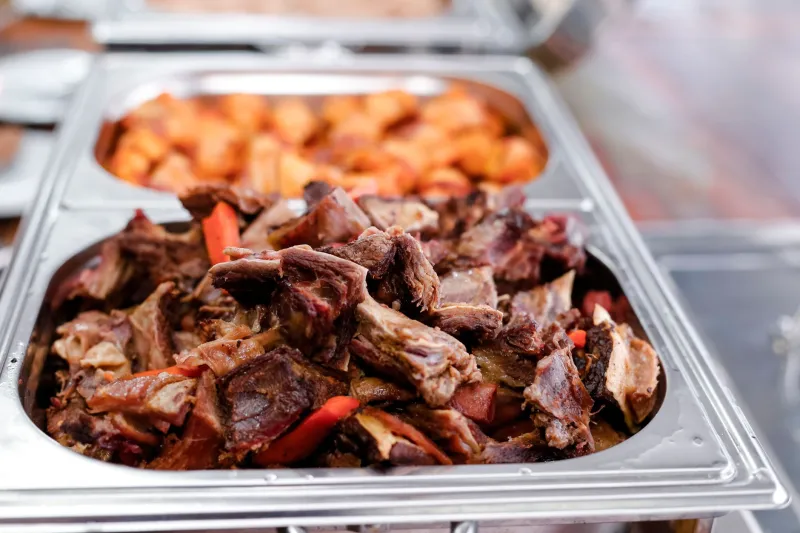
Sunday lunch in a Bournemouth hotel has a reputation problem, and most of it is unfair. Say the word carvery and some people picture a lukewarm urn, a queue of trays and a slab of meat that has been waiting longer than the guests. That version exists, admittedly. But a good hotel carvery is a different thing altogether: generous, unhurried and quietly confident. It is the sort of lunch that makes a weekend feel finished properly, rather than simply over.
The case for a slow Sunday
There is a particular rhythm to a Sunday by the sea. You wake to a slightly different light, maybe a bit of wind on the windows, and the day has no real pressure on it. Breakfast has been dealt with. The promenade is busy but not frantic. By one o'clock, the question is not what to do next but where to eat before the drive home.
This is where the traditional hotel carvery earns its place. It is not a quick sandwich by the pier, and it is not a full evening meal dressed up in daylight. It sits comfortably in the middle: a proper sit-down lunch with enough choice for everyone and enough structure to stop the day drifting. You book a table, you settle in, and for an hour or so the weekend has a centre.
In Bournemouth, that ritual suits the town. This is a resort built on traditional seaside habits — promenades, deckchairs, afternoon tea, a stroll before dinner — and Sunday lunch fits neatly into that older idea of a break. It does not ask you to be fashionable. It asks you to be hungry.
What a carvery tells you about the kitchen
The carvery is often treated as the poor relation of a hotel dining room. In fact, it is one of the most revealing things a kitchen can put on. A roast dinner is simple in theory and fiddly in practice. The meat has to be carved to order, not sliced and left to dry. The potatoes need to be crisp rather than merely brown. Vegetables should taste of something. Yorkshire puddings should be tall enough to matter, and gravy should be a sauce, not a jelly.
When a hotel gets those details right, it tends to say something good about the whole operation. It suggests the kitchen can pace itself, that the front desk and the dining room are talking to each other, and that nobody has decided the Sunday guest is a second-class customer. It also suggests a certain confidence. A carvery cannot hide behind a fancy menu description. Either the beef is decent and the roast potatoes have been treated with respect, or they have not.
That is the gravy principle, if you like. A hotel that takes Sunday lunch seriously usually takes the rest of the stay seriously too.
Sea air, big appetites, and three generations
One of the underrated pleasures of a Bournemouth hotel carvery is how well it suits a multi-generational break. Seaside weekends often bring together grandparents, parents and children, and finding a meal that keeps all three happy can be harder than booking the rooms. A carvery solves that quietly. There is something for the cautious eater, something for the hearty eater, and usually a smaller plate for the child who has been promised ice cream later.
The format also helps with the practical stuff. You are seated rather than queuing at a counter for ages. There is room for a highchair and room for a grandparent who does not want to walk far. The pace is gentle. Nobody is trying to turn the table in forty minutes. In a town where the sea air tends to make everyone hungrier than expected, that generosity matters.
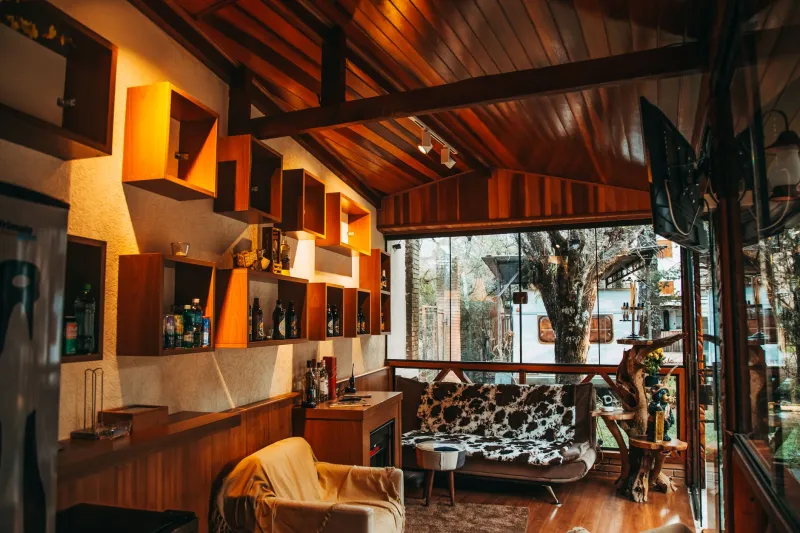
And there is something pleasantly old-fashioned about it. A hotel dining room on a Sunday, with proper napkins and a few families lingering over pudding, is not trying to be a city restaurant. It is trying to be a good host. In Bournemouth, that is not a weakness. It is part of the appeal.
The late-lunch ritual before the drive home
The best Sunday carvery of all might be the late one. Book for two o'clock or half past, and the day opens up. You can walk the prom in the morning, take a slow coffee, check out of the room and leave the bags with reception. Then lunch becomes the final event rather than a stop on the way to one.
It also makes the journey home easier. A late lunch means you are not driving back in the immediate aftermath of a heavy plate. You have time for a short stroll, a look at the sea, maybe a last cup of tea. The weekend ends with a bit of air and a bit of daylight rather than a rushed checkout and a service-station sandwich.
That is the quiet ritual worth protecting. Not because tradition is automatically good, but because this particular tradition works. It gives a seaside weekend a proper ending.
What to look for when booking
If you are planning a Sunday stay around a carvery, a few questions are worth asking before you book. Is the carvery served in the main dining room or a function space? What time does it finish? Can you reserve a table, or is it first come, first served? Is lunch included in the room rate, or is it a separate booking? These sound dull, but they make the difference between a leisurely lunch and a scramble.
Also check the practicalities: parking if you are driving, luggage storage if you are arriving early or leaving late, and step-free access if anyone in the party needs it. A good hotel will answer those questions without fuss. A great one will already have thought of them.
Above all, look for a kitchen that treats Sunday lunch as part of the weekend rather than an afterthought. The roast potatoes should be worth the journey. The gravy should be worth the second helping. And the room should be comfortable enough that nobody feels rushed back out to the car. In Bournemouth, that is still a very good way to end a break by the sea.