The Daylight Room: Picking a Bournemouth Hotel Window for the Shortest Days
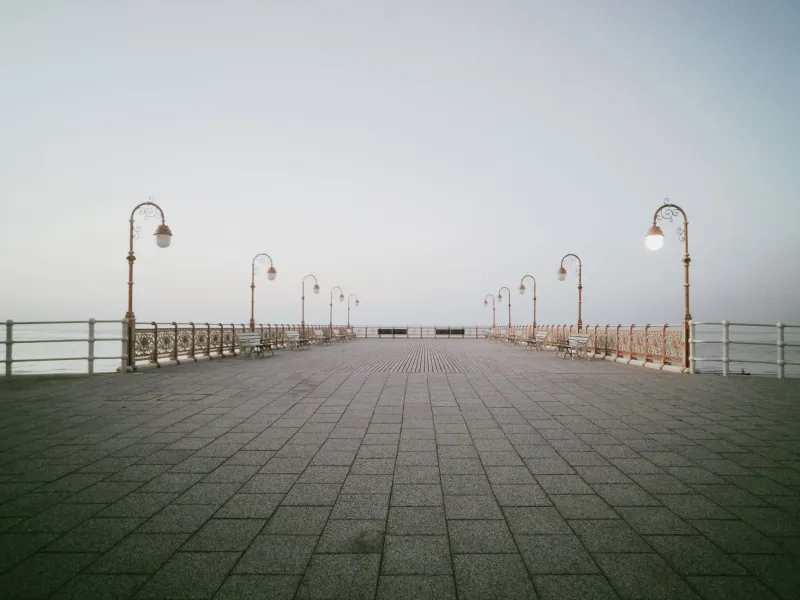
By mid-November in Bournemouth, the promenade lights are on before the office has emptied and the pier begins to look less like a day out and more like a piece of scenery. The winter of 2026 into 2027 will be no different. And yet most hotel room descriptions are still written for July. Sea view, balcony, king bed: all very well, but none of them tells you whether you will be able to read a book at three in the afternoon without switching on every lamp in the room. A winter room on this coast needs to be chosen on winter terms.
Start with the compass, not the brochure
Sea view is the phrase that sells rooms in Bournemouth, but in winter it is only half the story. A sea view tells you what you might see; orientation tells you what light you will get. The sea sits to the south, so a south or south-west facing room is the one most likely to catch the low winter sun. That matters more than it sounds. Between November and February the sun never gets very high, and a room facing the right way can feel bright at 11am while one facing north feels like a cupboard by lunchtime.
East-facing rooms get a brief, pale start and then fade early. West-facing rooms hold on to the afternoon a little longer, though they can also take the wind. North-facing rooms are usually the darkest, and often the quietest and cheapest. Ask the hotel which direction the room actually faces. Do not accept sea view as an answer. A side sea view from East Cliff or West Cliff can be lovely, but it may be a glimpse past a building rather than a wide window of sky.
Floor level: view, wind and warmth
Height buys light. A higher floor clears trees, rooftops and the bulk of the cliff, and in a traditional hotel it can turn a cramped side view into something much more open. But height also exposes a room. On a blowy January night, a top-floor room with a balcony door or old sash windows will let you know about it. Lower floors are often warmer and more sheltered, though they can be shaded by the cliff, trees or the building opposite.
In older Bournemouth hotels, the first or second floor is often the sweet spot: high enough for a view, low enough to feel protected. If stairs are an issue, check the lift before you fall for a fourth-floor room with a lovely photograph.
Curtains are part of the heating system
Ask about curtains. In winter, they are not decoration; they are insulation. Heavy, thermal-lined curtains make a room feel warmer and keep the dark out when you want it out. Thin or short curtains leave a cold pane on show and a strip of light around the edges at 6am. They also suggest something about the hotel. A place that has thought about curtain linings has usually thought about the rest of the room too.
If you are booking a room with a big bay window or a promenade frontage, ask whether the curtains cover the whole window and whether they are lined. It is a small question with a surprisingly large effect on how a short winter stay feels.
The honest draught test
Seaside hotels are old buildings, and old buildings have character. They also have sash windows, sea wind and radiators that sometimes have opinions. Before you book, ask whether the windows are double glazed or secondary glazed, whether the heating is individually controlled, and whether it runs during the day. Some hotels heat public rooms well and bedrooms less so; others are the reverse. A radiator under a window is a good sign, but it is not a guarantee.
If the room has a balcony or French doors, ask how well they seal. A sea-facing balcony is a fine thing in June and a lesson in thermal physics in December. None of this needs to be a confrontation. A quick email saying you feel the cold and would like a warm room is usually enough, and it gives the hotel a chance to put you somewhere sensible.
Promenade view or warm back room?
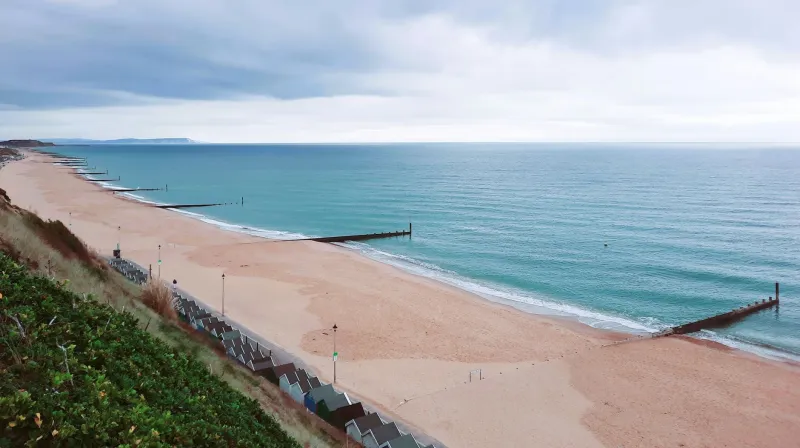
This is the real decision. A promenade-facing room gives you the sea, the lights and the sense of being in Bournemouth rather than simply near it. It also gives you more wind, more exposure and often a higher rate. A back room gives you quiet, warmth and a lower price, but it may look at a roof, a car park or a wall.
Which one is right depends on how you will use the room. If you are out all day at the BIC, the Russell-Cotes or the shops, and you come back only to sleep, take the warmer back room and spend the difference on dinner. If you plan to read in the afternoon, watch the light change over the bay or treat the room as part of the break, pay for the view and check the curtains and heating first.
My own winter rule is simple: a cold sea view you close the curtains on at 4pm is worth less than a warm back room and a lounge with a fire. But if the view comes with good glazing, heavy curtains and a radiator that works, it is one of the best things about a South Coast winter.
What to ask before you book
Ask for the room's orientation, floor and aspect, not just its category. Ask whether it is front, side or back. Ask about glazing, curtain linings and heating controls. Ask whether the room sits above the bar, the kitchen or the plant room. Ask if the hotel can send a photograph taken in winter rather than the summer shot used on the website.
If you are booking a specific room number, ask what happens if it is cold or noisy when you arrive; a good hotel will move you if it can. And if you are choosing between two rates, remember that breakfast in a bright dining room can do more for a dark morning than a so-called sea view ever will.
A short break, properly framed
Bournemouth in the short days is not a lesser version of Bournemouth in July. It is a different stay. The promenade is quieter, the hotels have their fires lit and the sea has a grey, useful beauty that does not ask you to sit on it. Choose the room for the season you are in. In winter, daylight is the luxury, warmth is the basic requirement, and a view is the bonus. Get those in the right order and a two-night break in the middle of December can feel a great deal more generous than the clock suggests.