Bed, Bowl and Barstool: A Dog Owner's Checklist for Bournemouth Hotels
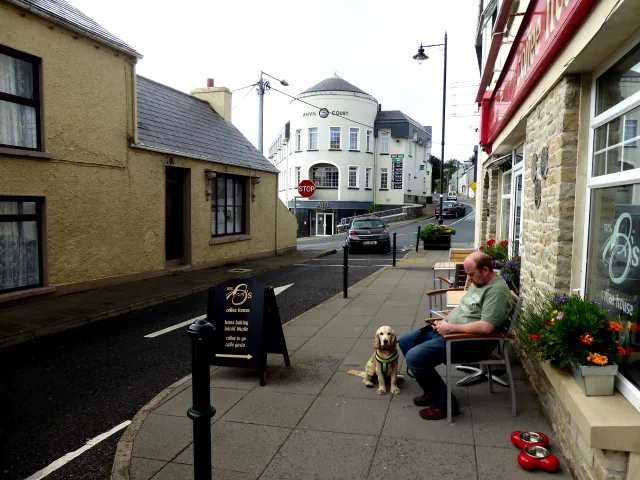
Photo: Kenneth Allen , CC BY-SA 2.0, via Wikimedia Commons
Bournemouth is a good place to take a dog. There is the prom, the chines, the parks, and enough sea air to tire out even the most committed spaniel. But a hotel that welcomes dogs and a hotel that works well for dogs are not always the same thing. The difference usually comes down to a handful of questions you can ask before booking — rather than discovering the answers at check-in with a lead in one hand and a luggage trolley in the other.
Traditional seaside hotels can make excellent dog-friendly stays. They tend to have generous lounges, sensible corridors and staff who have seen every kind of weather. The trick is to be clear-eyed about what 'dog-friendly' actually means in practice.
Start with the room, not the welcome
A friendly welcome at reception is lovely. It is not the whole story. Ask where the dog will actually sleep. Some hotels set aside specific rooms for guests with pets; others allocate whatever is free. That matters if your dog is noise-sensitive, struggles with lifts, or has a habit of launching himself at corridor doors.
Ask about flooring. A hard floor is easier to clean and usually more forgiving of wet paws after a November prom walk. Deep carpet is cosier underfoot but less practical if the weather turns. If your dog is elderly or has mobility issues, ask whether the room is on the ground floor or close to a lift, and whether there are steps between the car park and the entrance.
It is also worth asking whether the room has a balcony or external door, and whether it is safe for a dog to be left alone there. Most hotels will say no to that last point, and they are right to. But it is better to know now.
The public rooms question
This is the one that catches people out. Some hotels welcome dogs in the bar but not the dining room. Some allow them at breakfast but not dinner. Others are happy for dogs to sit with you in the lounge but draw the line at the restaurant carpet. None of these policies is unreasonable; they just need to be known before you book.
Ask specifically: can the dog join us in the bar? Can we eat in the lounge if not? Are there times when dogs are not permitted? Is there a water bowl, or should we bring our own? If the hotel has a formal dining room and a more relaxed bar menu, the bar is often the better bet for a dog-friendly evening — and in a traditional seaside hotel, that is no hardship.
If you are planning a longer break, ask whether the policy changes at weekends or during events. A quiet midweek stay can feel very different from a Saturday night with a full lounge and a live band.
The prom, the park and the pavement
Location matters more than some listings admit. Ask how far the nearest dog-friendly walking area is from the front door, and whether you can reach it without crossing a busy road or tackling a steep cliff path. Bournemouth's prom is wonderful, but access varies. Some hotels sit above the cliffs with steps down; others are a short stroll from a gentler slope.
Seasonal beach restrictions are also worth checking. Some stretches of beach have dog bans during the warmer months, so ask the hotel which nearby sections are open to dogs and where the nearest alternative is. The Central Gardens, Meyrick Park and the paths around Alum Chine are useful standbys, and Hengistbury Head is a proper day out if you have a car or don't mind a longer walk.
In winter, the prom can be bracing and brilliant. In summer, it can be busy. Either way, a two-minute conversation about the nearest lead-friendly route is time well spent.
Fees, deposits and the small print
Dog-friendly hotels vary enormously in what they charge. Some add a modest per-night fee; others charge per stay or take a refundable deposit. Ask what the fee covers, whether it is per dog, and whether there is a size or breed limit. It is also fair to ask about vaccination requirements and whether the hotel expects dogs to be flea-treated before arrival.
Check the damage policy too. Most dog owners never need it, but you want to know where you stand if a wet dog decides the corner of the room is a towel. Get the answers in writing if you can. An email confirmation is much easier to rely on than a half-remembered phone call.
An hour without the dog
Perhaps the most useful question of all: what happens if you want to do something that does not involve the dog? A spa treatment, a long dinner, a gig at the BIC — none of these are improved by a anxious animal in a hotel room. Many hotels do not allow dogs to be left alone in rooms, and that is understandable. Ask whether they can recommend a local dog walker or daycare service, and book it well ahead if you need it.
If the hotel does allow dogs to be left alone for short periods, ask about the rules. Where should the dog be? Is there a quiet room available? Will housekeeping need access? A little planning here saves a lot of worry later.
The honest verdict
A good dog-friendly hotel is not one that merely tolerates pets. It is one that has thought about the practicalities: the floor by the door, the route to the park, the bowl in the bar, the quiet corner at breakfast. Traditional Bournemouth hotels often do this well, precisely because they are used to adapting to guests rather than following a template.
So ask the questions. Ask about the room, the bar, the beach, the fee and the hour you might want to yourself. A hotel that answers clearly is usually a hotel that will look after you both.